1. Confirm the property is released
If police were involved, cleanup starts after they release the space. The owner or family can check with the agency.
Shelby, MI · Oceana County
Business owners in Shelby who find syringes in a restroom or storeroom can call (877) 812-4220. A cleanup team can remove sharps and residue and clean the room before it reopens.
If anyone is in danger, call 911 first. For a suicide crisis, call or text 988.
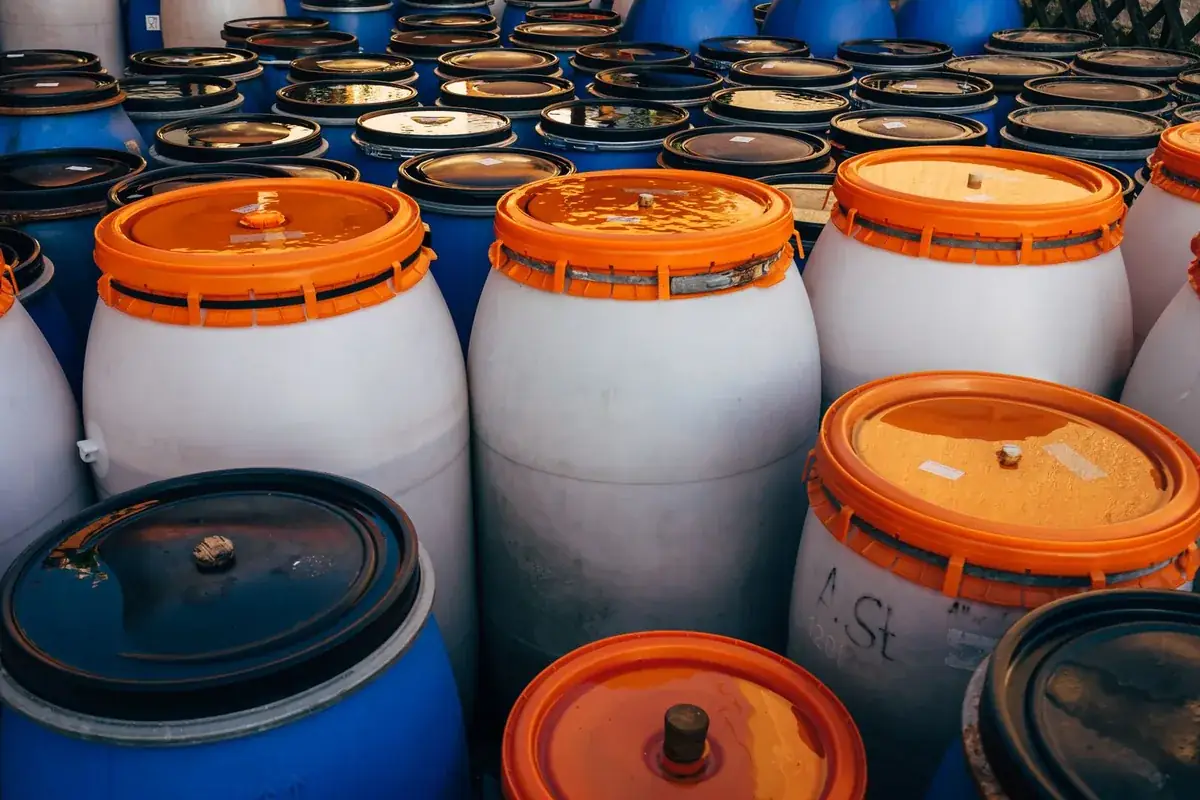
Cleaning a space after drug use can include removal of bedding, carpet or upholstery that took in residue, along with disinfection of hard surfaces and treatment of odor.
After a tenant leaves, you may find needles, residue or stained rooms in your Shelby property. Call Shelby Biohazard Cleanup Help for a team that collects sharps safely, removes soiled materials and cleans the unit, anywhere in Oceana County.
With about 35% of Shelby households renting, a unit left in poor shape after a move-out is a common reason for a cleanup call. After a needle stick or exposure to an unknown substance, get medical care. Mercy Health Lakeshore Campus in Shelby is the closest emergency room to Shelby.
What drug paraphernalia cleanup covers:
If police were involved, cleanup starts after they release the space. The owner or family can check with the agency.
Cleanup technicians use puncture-resistant gloves and tools. Unknown powders are never swept or vacuumed dry.
Floors, furniture and fixtures are cleaned. Porous materials that hold residue are cut out or removed.
Surfaces are disinfected, odors are treated, and a last walk-through confirms the space is ready.
The cost of drug paraphernalia cleanup in Shelby, MI depends on the amount of material, how it is packed and how it is hauled.
The number of rooms affected is a major factor. One bedroom needs less time than a whole house or a large rental unit.
| Type of job | Typical range |
|---|
Figures are planning ranges from , not a price for any specific Shelby property. Price drivers include amount of material, whether residue is present, surfaces affected, waste disposal. Call (877) 812-4220 any hour.
No. This page explains how drug paraphernalia cleanup works. It is not medical, legal or insurance advice. For symptoms, contact a doctor or Poison Control, and for legal questions, ask an attorney.
Vehicles can hold syringes, residue and odor in seats, carpets and vents. Ask whether the team cleans vehicles and how soft materials are treated. Crews use the same protective gear and sealed containers as in a building.
A single room can be cleared quickly, while a house with hidden items, soiled carpet and odor takes longer. The time depends on the amount of material and access. A team can give a realistic idea after hearing the details.
It can. Powders and stains may stay on floors, furniture, bedding and in vents after the items are gone. That is why a team cleans and disinfects the surfaces and removes soft materials that cannot be cleaned. Ask what the plan covers.
Standard paraphernalia cleanup is about removal, cleaning and disinfection. Testing is a separate step, usually tied to a site where drugs were made. Ask the team and the local health department what testing, if any, applies to your property.
No. A good team asks only what it needs to plan the work, and you decide what to share. If privacy matters, ask about discreet, unmarked arrival when you call. Teams differ, so ask how the call and the visit are handled.
Stay out of the space and let a cleanup team handle it.
Call (877) 812-4220